
NYC & Stamford, CT

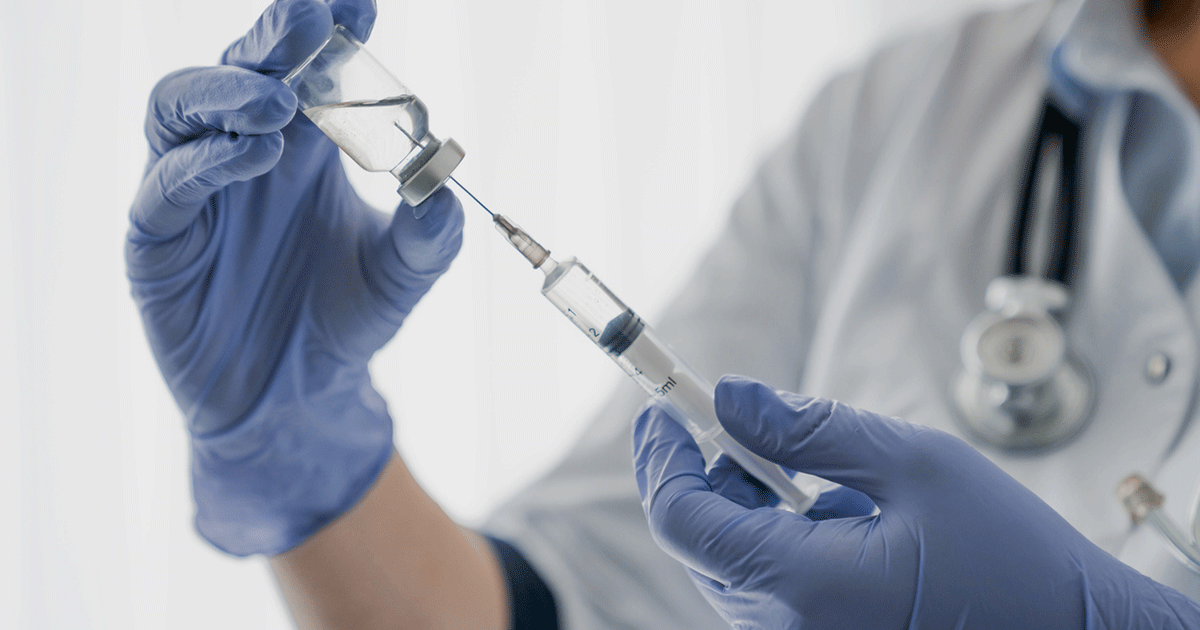
Non-Surgical Treatment for Hip Arthritis
Hip arthritis does not always require surgery. Many patients can successfully manage their symptoms with targeted non-surgical treatments that reduce pain, improve function, and help maintain an active lifestyle. Dr. McLawhorn offers a full spectrum of non-operative treatment options under one roof.
Comparing Hip Injection Options
-
How it works
Reduces joint inflammation
How given
Single injection, max every 3 months
Speed of relief
Rapid (days)
Duration
Weeks to months
Insurance
Usually covered
Cartilage risk
Repeated use may damage cartilage
-
How it works
Uses your own growth factors to calm inflammation
How given
Single injection
Speed of relief
Gradual (weeks)
Duration
Longer-lasting than cortisone
Insurance
Not covered — out-of-pocket
Cartilage risk
May protect remaining cartilage
Cortisone (Steroid) Injections
A corticosteroid injection performed under image guidance (ultrasound or fluoroscopy) for precise placement into the hip joint. Calms the irritated joint lining, reduces fluid production and swelling, and decreases pain nerve sensitivity. Provides rapid relief — particularly during flares. Limited to no more than once every three months.
PRP (Platelet-Rich Plasma) Injections
Dr. McLawhorn uses the Arthrex Angel System to obtain a small blood sample, concentrate the platelets and growth factors, and inject the PRP precisely into the hip joint under ultrasound guidance. PRP is thought to reduce inflammation, decrease pain sensitivity, and may help support the health of remaining cartilage. Some patients experience meaningful symptom relief that can last for months.
Because anti-inflammatory medications may interfere with the biologic activity of PRP, patients should avoid NSAIDs (such as ibuprofen, naproxen, and meloxicam) for 7 days before and 2 weeks after treatment. PRP is considered an elective biologic therapy and is not covered by most insurance plans.
Hyaluronic Acid (Gel) Injections
Hyaluronic acid ("gel") injections are not FDA-approved for the treatment of hip arthritis. Although they can be used off-label, high-quality studies have shown little consistent benefit for most patients. For this reason, Dr. McLawhorn generally recommends other evidence-based non-surgical treatments, including physical therapy, weight management, activity modification, corticosteroid injections, and platelet-rich plasma (PRP).
Lifestyle & Physical Approaches
Physical therapy — hip abductor and core strengthening reduces joint load and improves walking mechanics
Weight management — reduces the load on the hip with every step
Activity modification — swimming, cycling, elliptical instead of high-impact activities
A cane used in the opposite hand can reduce hip joint forces by up to 20–30% during walking
Anti-inflammatory medications (NSAIDs) — discuss long-term use with your physician
What to Expect at Your Injection Appointment
Before
Medication review, insurance verification, and specialty pharmacy coordination for gel injections.
Day Of
In-office injection under sterile conditions with image guidance.
After
Temporary soreness is normal. A brief post-injection flare may occur and resolves on its own. Gradual symptom improvement over days to weeks.