NYC & Stamford, CT

Partial Knee Replacement
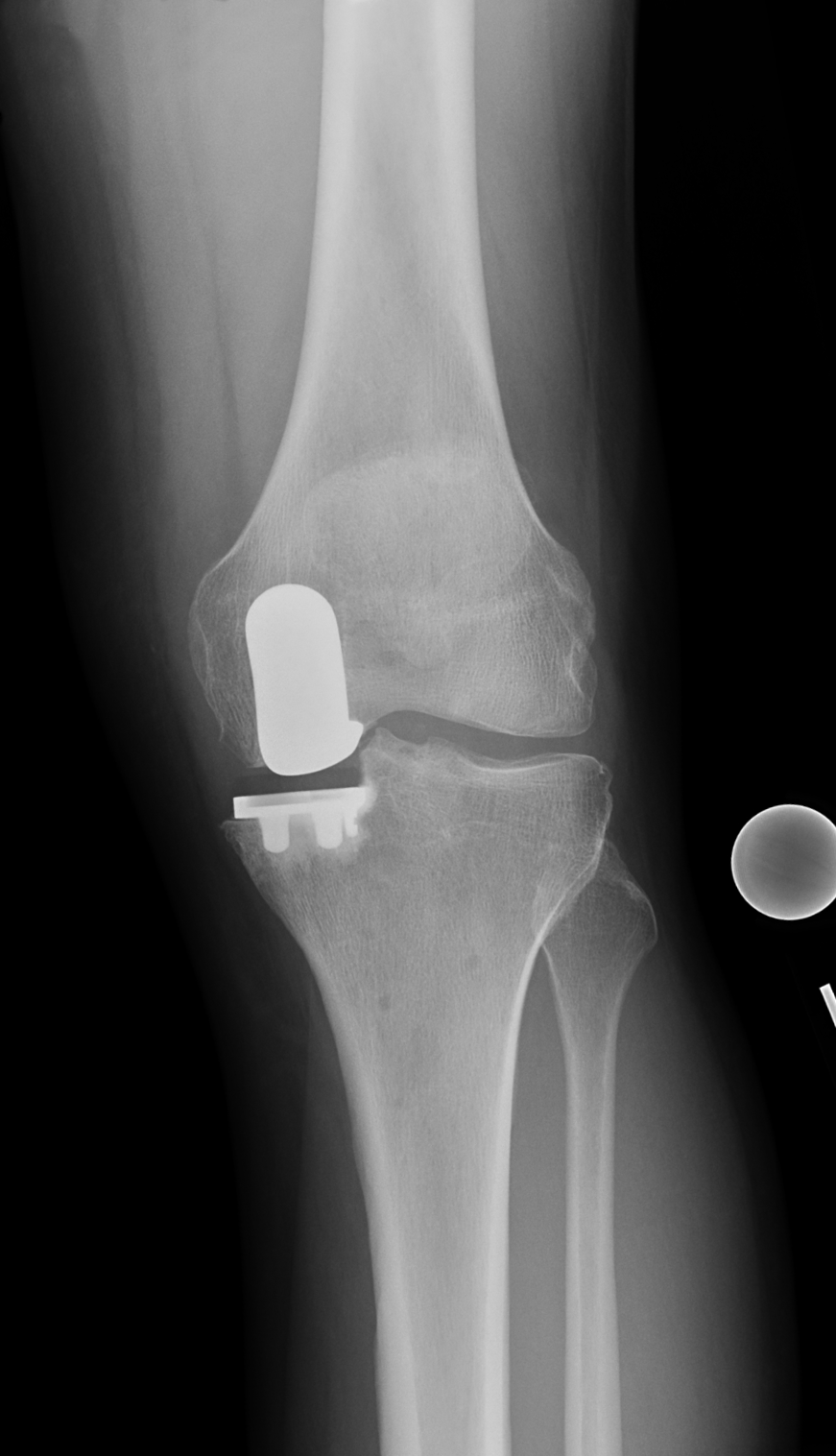
For patients whose arthritis is confined to just one area of the knee, partial knee replacement (also called unicompartmental knee replacement) offers a less invasive alternative to total knee replacement — with a faster recovery and preserved natural anatomy.
Less bone removal, a smaller incision, and a more natural-feeling knee after recovery.
The knee has three compartments: medial (inside), lateral (outside), and patellofemoral (front). In partial knee replacement, only the damaged compartment is replaced, while healthy bone, cartilage, and all the muscles, ligaments and tendons are preserved. This means less bone removal, a smaller incision, and a more natural-feeling knee after recovery.
Who is a candidate?
Arthritis confirmed by X-ray to be isolated to one compartment
All knee ligaments are intact and functional
No inflammatory arthritis (such as rheumatoid)
Pain and disability consistent with single-compartment disease
Only minimal to moderate knee deformity (varus/valgus)
Mostly preserved range of motion
Benefits
Smaller incision and minimal soft tissue disruption
Faster recovery than total knee replacement
More natural knee feel, function, and motion
Preserves healthy bone for potential future revision
Recovery
Most patients are walking without assistance within 2–3 weeks and return to normal activities within 6–12 weeks.
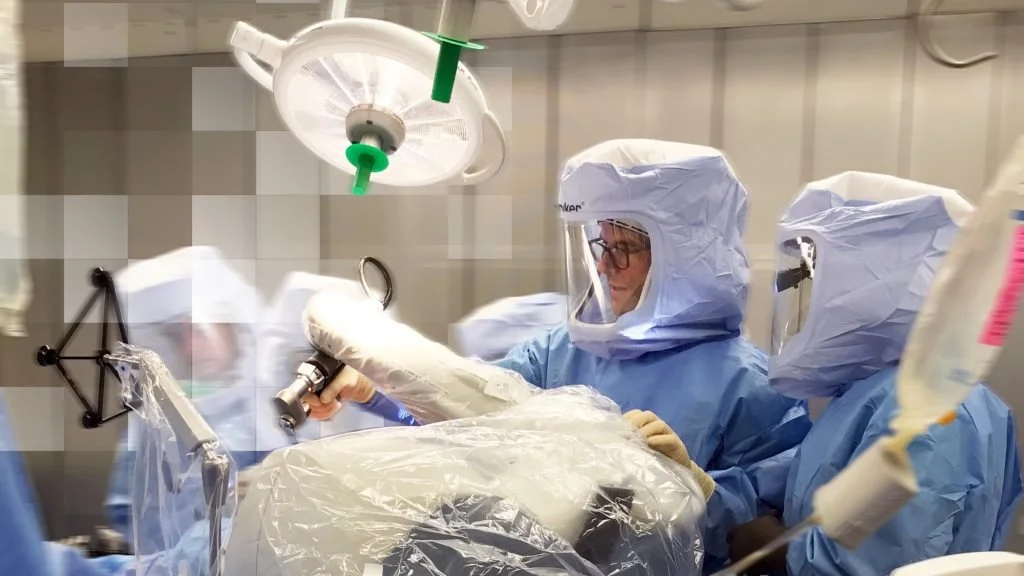
Partial knee replacement requires especially accurate positioning of the implant — the smaller size of the replaced area means even minor misalignment affects how the knee feels and functions. Dr. McLawhorn uses robotic assistance to confirm precise placement in real time, improving long-term outcomes and implant longevity.