
Knee FAQs
Answers to the questions we hear most often about knee replacement. Call 212-606-1065 (NYC) or 203-705-2113 (CT) with anything not covered here.
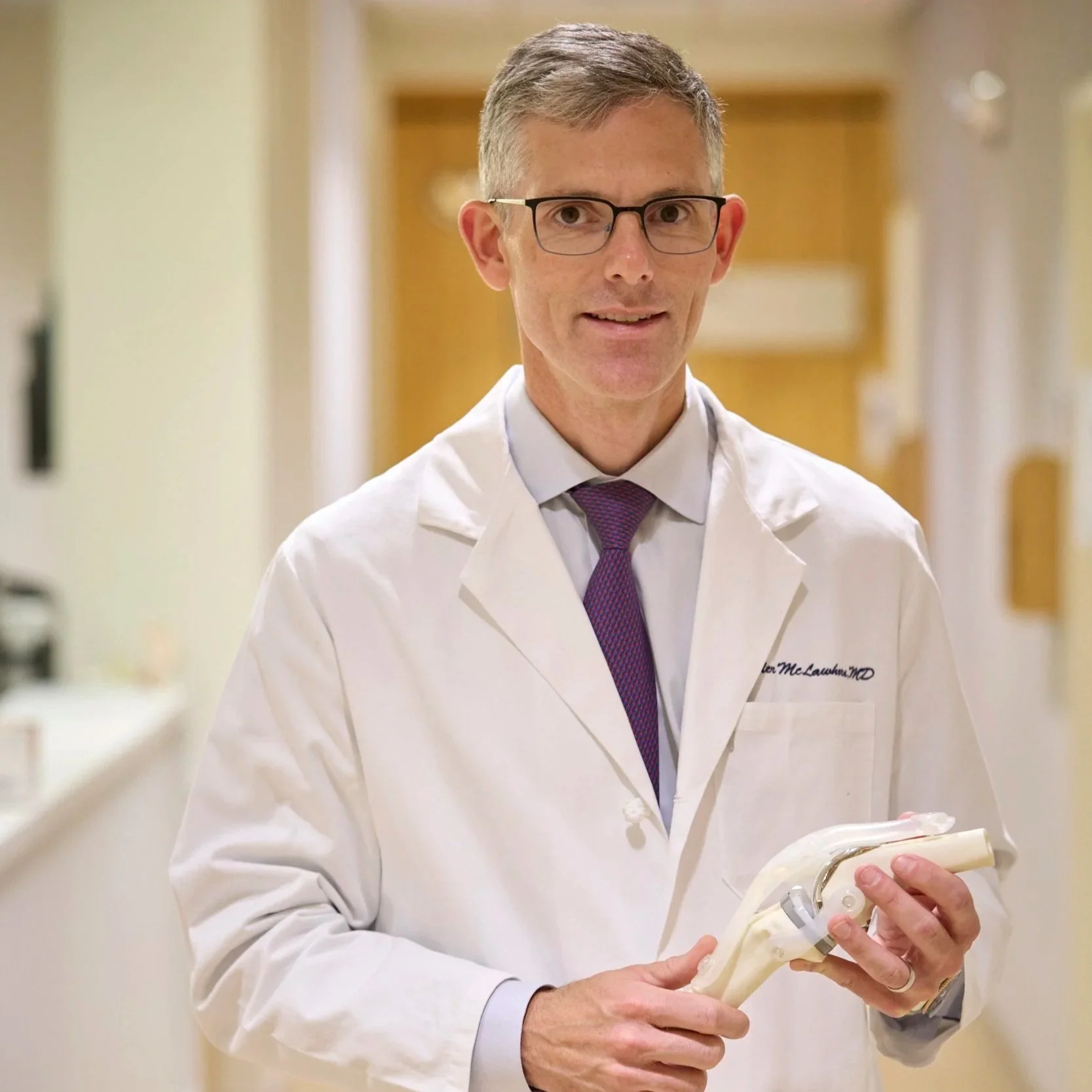
About Knee Replacement
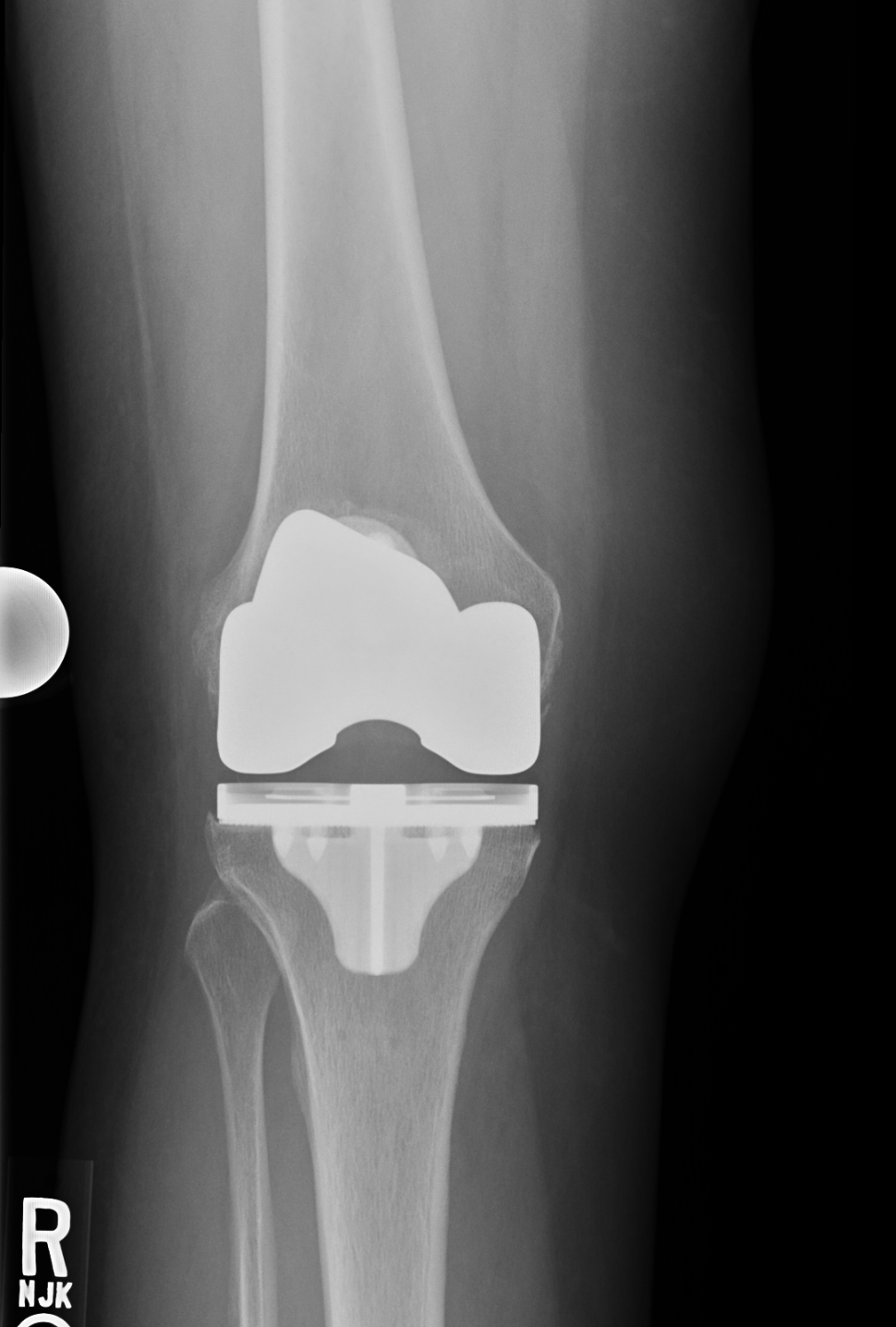
-
Dr. McLawhorn recommends considering TKR when all four are present: (1) severe bone-on-bone arthritis on X-ray; (2) severe pain and dysfunction measured by a validated questionnaire; (3) failure of non-surgical treatments; and (4) knee pain that severely impairs walking and everyday activities.
-
There is no strict age limit. Younger patients (under 50) may be considered when pain significantly affects quality of life. Older patients are not excluded by age — good health and ability to participate in rehabilitation are what matter.
-
Total resurfaces all three compartments. Partial replaces only the damaged compartment, preserving healthy bone and ligaments — smaller incision, faster recovery, more natural feel. Not all patients are candidates for partial.
-
Yes — bilateral knee replacement is an option for appropriate patients, but recovery is more demanding. Dr. McLawhorn will assess your fitness and goals before recommending staged or simultaneous surgery.
-
A modern knee replacement has roughly a 95% chance of lasting 10 years, a 90% chance of lasting 20 years, and about a 75% chance of lasting 30 years without needing revision. High-impact activities such as running accelerate implant wear and are discouraged.
The Surgery
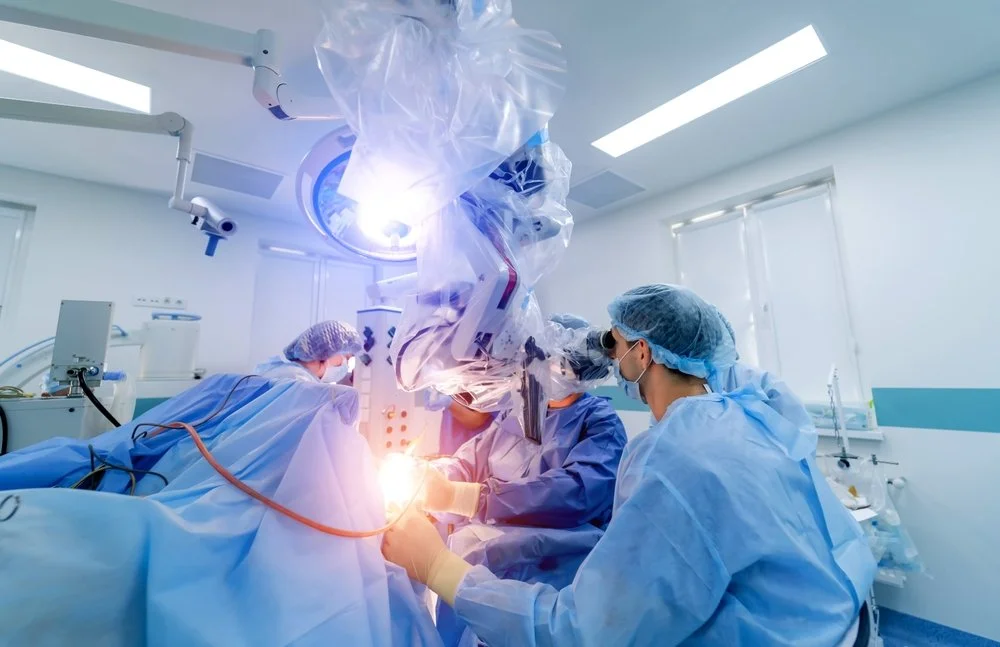
-
Regional anesthesia with IV sedation — you are asleep but breathing independently. A 5–7 inch incision at the front of the knee; damaged cartilage and bone removed; femur and tibia resurfaced with metal; plastic liner placed between them with a plastic button on the kneecap. Takes 2–3 hours.
-
Most patients describe pain as manageable and steadily improving. Pain is controlled with nerve blocks, anti-inflammatories, and short-term prescription pain medicine. Ice, elevation, and physical therapy play important roles.
-
Contact Dr. McLawhorn promptly for: suddenly worsening pain, painful swelling of the lower leg, excessive redness or drainage around the incision, high fever, failure to progress your range of motion despite adequate pain management and therapy.
Recovery
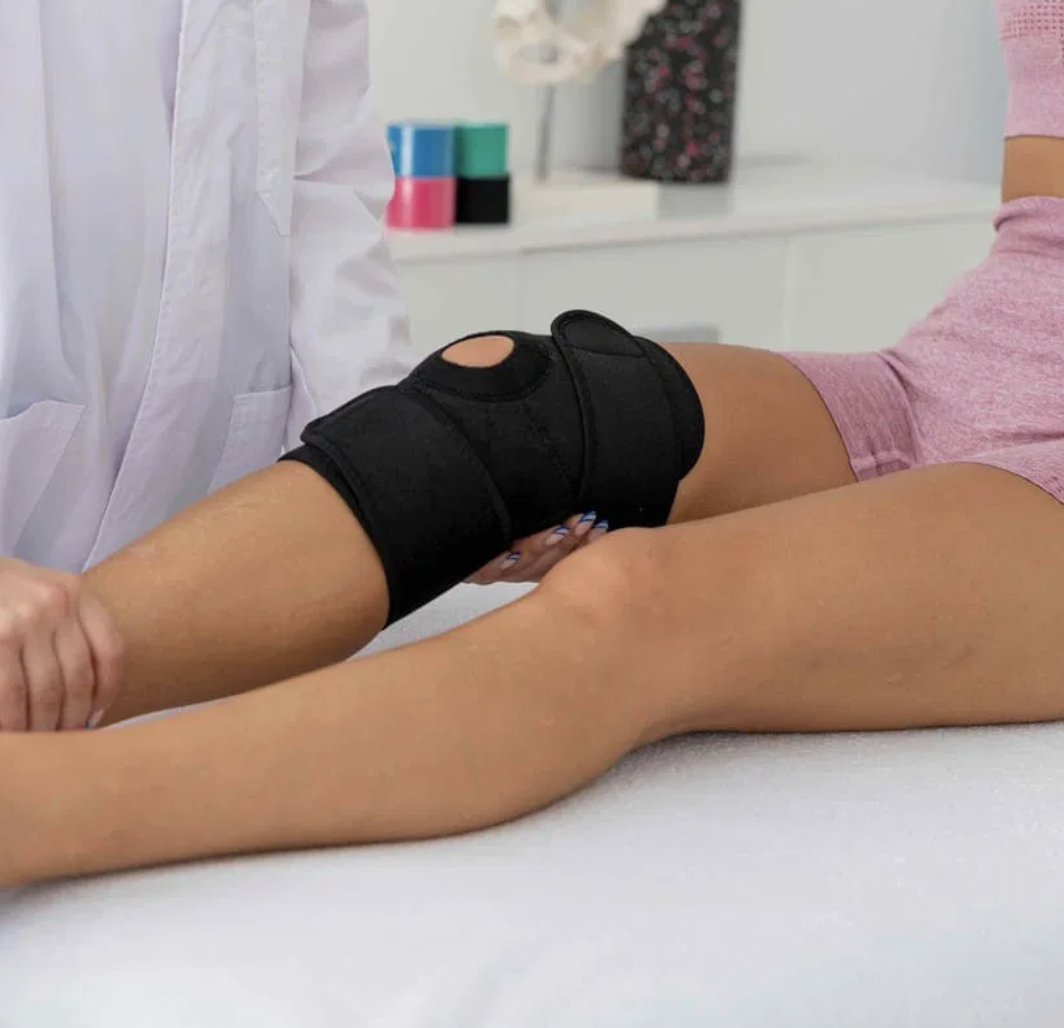
-
You will walk the same day. Most patients go home same day or after one overnight. Expect mild to moderate soreness, swelling, fatigue, and use of a walker or cane initially. The most severe pain can occur in the first 2 weeks.
-
Left knee: 2–4 weeks (automatic).
Right knee: 4–6 weeks.
Only drive when completely off narcotics and able to brake quickly and safely.
-
Encouraged: walking, swimming, cycling, golf, doubles tennis, hiking.
Discouraged: running a distance or any activities with repetitive jumping — these hasten implant wear.
-
Yes — mild clicking with activity is common and normal. It diminishes as muscles recover and strengthen.
-
Yes. 2–3 times per week for approximately 3 months. During the first 2 weeks: prioritize pain management, swelling management, achieving full knee extension and 90 degrees of flexion. Goal: regaining full range of motion by 6 weeks.
-
6 weeks, 1 year, 5 years, then every 5 years. Dr. McLawhorn will see you more frequently if needed.